



1、 Common props for booth construction
1. Exhibition racks
The function of exhibition stands is to hang and support exhibition boards, which can form exhibition stands, display cabinets, and other forms of supporting structures. It is one of the most widely used props in modern exhibition activities. The screens, exhibition walls, shelves, booths, exhibition areas, and various top shapes constructed by dismantling and assembling exhibition stands in the exhibition. A detachable modular exhibition stand is usually composed of pipe fittings with a certain cross-sectional shape and length. According to specific design requirements. Can be combined into display props such as booths, display cabinets, exhibition walls, partitions, etc. At the same time, materials such as display boards, skirts, or glass can be added to the exhibition stand to form temporary exhibitions. Installing guide rails, spotlights, or clamping spotlights, as well as other guardrails and other facilities, can provide better display effects.
2. Booths and display cabinets
Booth props are tools that support the physical objects, models, sand tables, and other decorations of exhibits, and are one of the important facilities that highlight exhibits. Large physical exhibition booths can be combined with standardized small booths in addition to modular exhibitions. Small booths are mostly simple geometric shapes, such as square columns, with floor dimensions of 20cmx20cm and 40cmx40cm. 60cm x 60cm, 80cm x 80cm, 100cm x 100cm, 120cm x 120cm, or rectangular or cylindrical shapes.
Larger exhibits should use lower booths, while smaller exhibits should use higher booths. In tall environments, large physical stacks can be designed with extra large exhibition stands based on specific circumstances
3. Barrier class
Screens, curtains, and billboards are also commonly used in display design to separate display spaces, hang physical exhibits, and post text. Barrier structures such as dispersed pedestrian flow can also be seen as display screens. According to their structure, they can be divided into several categories: seat screens, linked screens, and inserted screens, each of which can be divided into two categories: isolated and transparent. The height of a general screen is 250-300cm; A single piece width of 90-1 can be connected by several single pieces, and the specific width should be determined as needed.
4. Guardrails (signs) are facilities used to enclose a certain space, guiding visitors and protecting exhibits at the same time. Guardrails are divided into two categories: fixed and mobile. In permanent exhibitions such as museums, flexible and mobile guardrails are now more commonly used.
Regardless of the form of display props, their functionality should be considered in the design process. Different forms of display props have different functions and should be designed according to different booth design requirements.
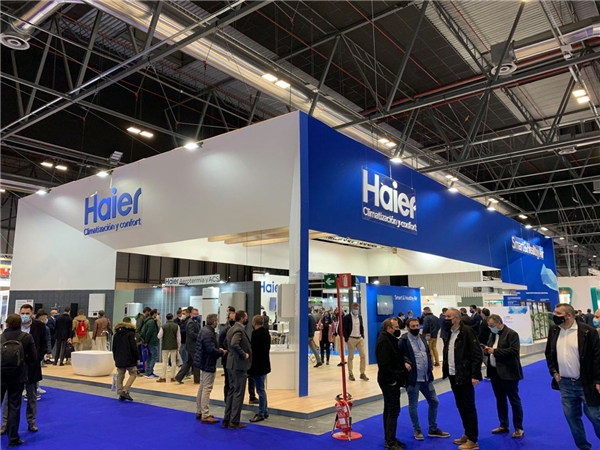
2、 How to highlight exhibits during display?
1. Central display method
A display method that focuses on the entire display space or booth center as the key area. Placing important exhibits in the center of the booth, and displaying other exhibits in categories on the surrounding booths and shelves, this display method is very advantageous in expressing the main body of the exhibition and has a prominent role in highlighting the key points.
2. Close up display method
A slightly exaggerated display method is used to highlight key exhibits. Enlarged models, exaggerated close-up photos (or lightbox films) are displayed on the exhibition stand to more intuitively express corporate culture, making it more convenient and simple for the audience to understand the exhibition stand and corporate culture, thereby promoting trade.
3. Unit display method
According to the display content and the characteristics of the exhibits, the exhibits will be placed along the visiting road using a planning method of zoning, segmentation, and grouping.
4. Comprehensive display method
Series display of exhibits that are related to their craftsmanship, functionality, and application characteristics.
5. Open display method
The display method that allows the audience or customers to directly participate in demonstrations, on-site operations, and touch experiences of exhibits. The open display method can create a lively, friendly, and free atmosphere for activities such as observation, communication, procurement, and arrangement, making it a highly effective display method.
6. Supporting display method
According to the display requirements, combine the exhibits and their related combination methods to display the relevant exhibits in one place. Special displays such as "kitchen supplies" or "bedroom supplies", furniture, household appliances, etc. can be displayed in model rooms. Any exhibition activity is designed for the overall display effect of the exhibition hall, and the display design scheme and purpose are implemented according to certain design steps and steps. The process and steps of display design are a gradual and interrelated process. It is also possible to iteratively loop through the design process and process, but the ultimate goal is to provide service for the entire demonstration.
The above is the detailed content of "Common props for booth construction, how to highlight exhibits when displaying them?" We hope it will be helpful to you. If you have any other questions, feel free to consult us at any time.